As parents, there is a natural urge to nurture your child’s curiosity and make learning an enjoyable experience that extends far beyond the classroom walls. The world around us offers countless opportunities to spark wonder and discovery, and what better way to capitalise on this than through engaging kid-friendly science experiments right in your own home?
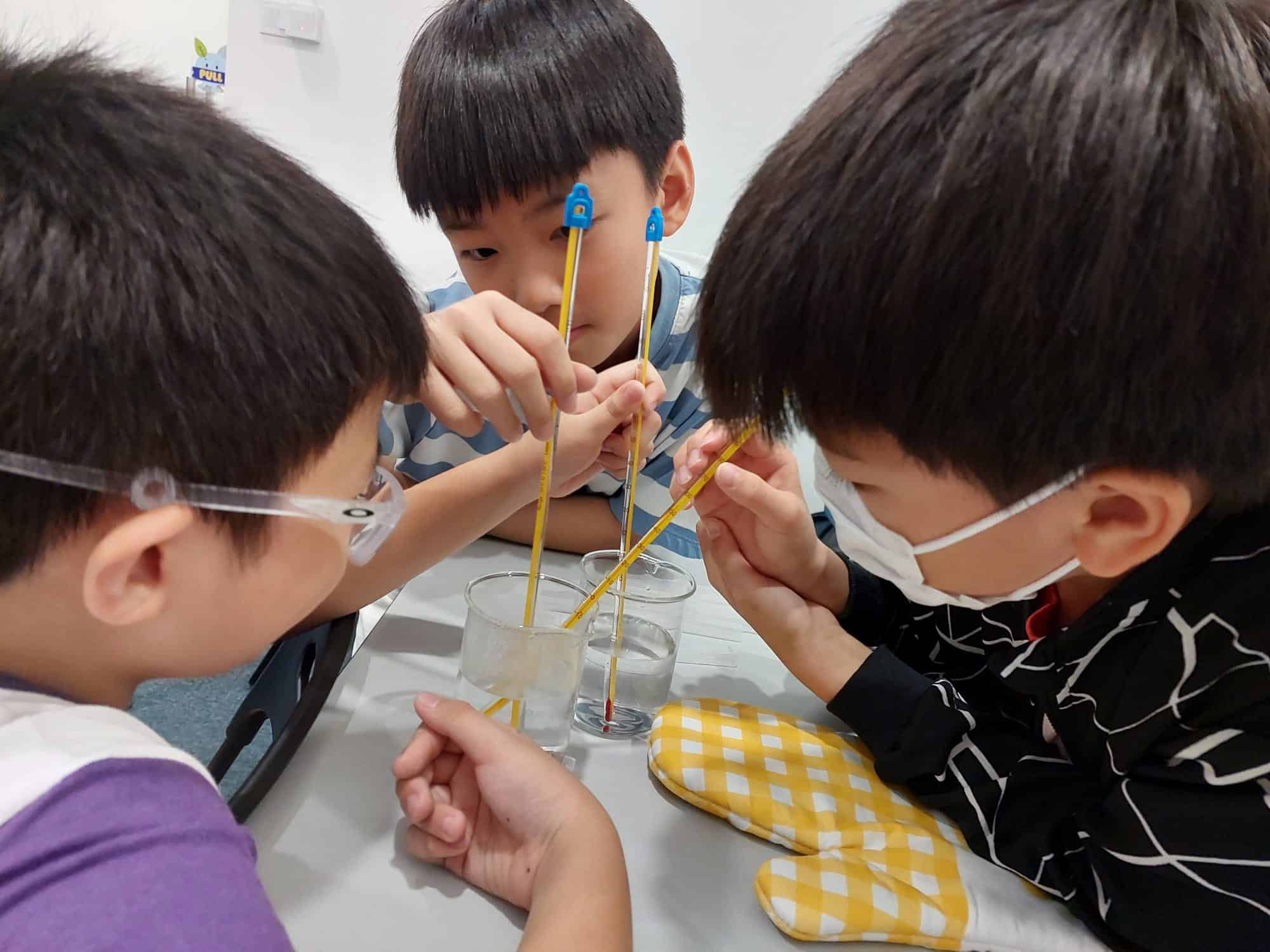
Hands-on learning provides tremendous benefits for primary science students. When children actively participate in easy experiments, they develop a deeper understanding of scientific concepts, ignite genuine interest in the subject, and cultivate essential skills that will serve them throughout their academic journey. These fun experiments transform abstract theories into tangible discoveries, making science come alive in ways that textbooks simply cannot achieve.
This guide offers simple, safe, and exciting science projects that you can conduct with everyday household materials, creating meaningful learning experiences while spending quality time together as a family.
Why Hands-On Science Matters for Young Learners
Direct experience proves far more effective than rote memorisation for young minds, particularly when it comes to grasping scientific concepts. When children touch, observe, and manipulate materials during interesting science experiments, they engage in active learning that forms lasting connections that traditional learning methods often fail to achieve.
These activities naturally foster crucial critical thinking and problem-solving skills that are fundamental to academic success. Through hands-on exploration, children learn to observe carefully, make predictions, analyse results, and draw meaningful conclusions, skills that align perfectly with Singapore’s emphasis on developing scientifically literate students.
Moreover, science experiments naturally pique kids’ interest in the world around them. What begins as simple curiosity about why raisins dance in fizzy water can evolve into a genuine passion for scientific inquiry. The joy of shared discovery also creates precious bonding moments between parent and child, making learning a collaborative and enjoyable experience.
Engaging Home Experiments: Sparking Scientific Discovery
Experiment 1: The Dancing Raisins
Using just a clear glass, fizzy water or soda, and some raisins, you can create a fascinating display that will captivate your child’s attention.
Simply drop several raisins into the carbonated water and observe what happens—watch as the raisins appear to “dance” up and down in the liquid in an enchanting rhythm. This delightful science experiment demonstrates fundamental concepts of buoyancy, density, and the behaviour of carbon dioxide gas. Kids witness firsthand how gas bubbles attach to objects and affect their density, causing them to rise and fall in a mesmerising pattern, providing a perfect introduction to essential physics principles that will serve them well in their academic journey.
Experiment 2: Rainbow in a Jar (Density Layers)
This visually stunning experiment requires honey, corn syrup, washing-up liquid, water, vegetable oil, rubbing alcohol, food colouring, and a tall, clear glass to create a spectacular rainbow effect that will leave your child absolutely amazed.
Carefully layer these liquids in order of density, starting with the heaviest (honey) at the bottom and working upwards through each subsequent layer. This beautiful demonstration teaches the concept of liquid density in the most engaging way possible. Children observe how different liquids have varying densities and don’t mix, creating distinct layers that demonstrate fundamental scientific principles whilst producing a breathtaking visual display that makes learning both memorable and enjoyable.
Experiment 3: Make Your Own Lava Lamp
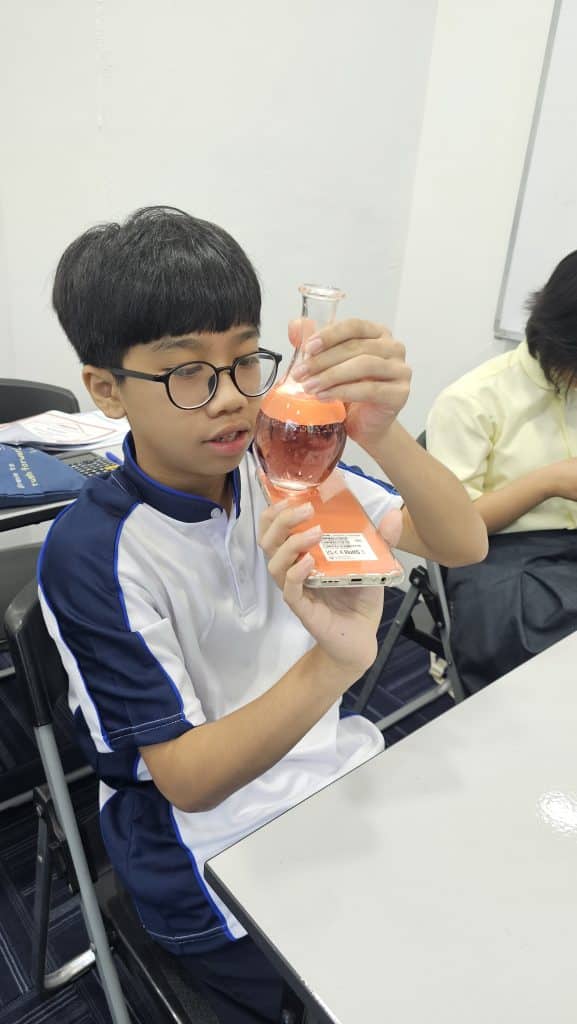
Create your very own mesmerising lava lamp using a tall clear bottle or jar, water, vegetable oil, food colouring, and effervescent tablets, simple materials that transform into a captivating scientific demonstration. Fill the container with water and oil, add vibrant food colouring of your choice, then drop in an effervescent tablet to create a spectacular bubbling effect that mimics the movement of a real lava lamp.
This fascinating experiment showcases multiple scientific concepts simultaneously: density, immiscibility (the principle that certain liquids don’t mix), and chemical reactions that produce gas bubbles. Children experience the genuine excitement of observing chemical reactions in action whilst simultaneously learning how density differences create the distinctive movement and separation patterns that make this project so compelling and educational.
General Tip for Parents: Encourage your child to make predictions before each science experiment, observe carefully during the process, and discuss their findings afterwards. This approach mirrors the scientific method and enhances learning outcomes.
Connecting Home Learning to Academic Success
These engaging science experiments directly reinforce topics covered in the Ministry of Education’s (MOE) primary syllabus. Concepts like density and buoyancy relate to the Properties of Materials and Forces topics, whilst chemical reactions connect to the Cycles and Interactions themes that form the foundation of Singapore’s primary science curriculum. When children experience these principles through hands-on activities, they develop confidence and arrive at school with concrete experiences that make classroom learning more meaningful.
At BlueTree Education, we employ a similar hands-on learning approach through our signature 3E Framework: Explore, Explain, and Extend. This methodology mirrors what you’re doing at home whilst developing genuine critical thinking and problem-solving skills that prepare students for PSLE success and secondary education.