The transition from a long school break back to the classroom is rarely seamless. At BlueTree Education, we call this the “Holiday Hangover.” It’s that period where a child’s mental stamina is at an all-time low, sleep cycles are disrupted, and the “Paper 2 Panic” starts to set in as Term 2 approaches. For parents, it’s a period marked by morning struggles and a noticeable dip in their child’s ability to sustain focus on complex problem sums.
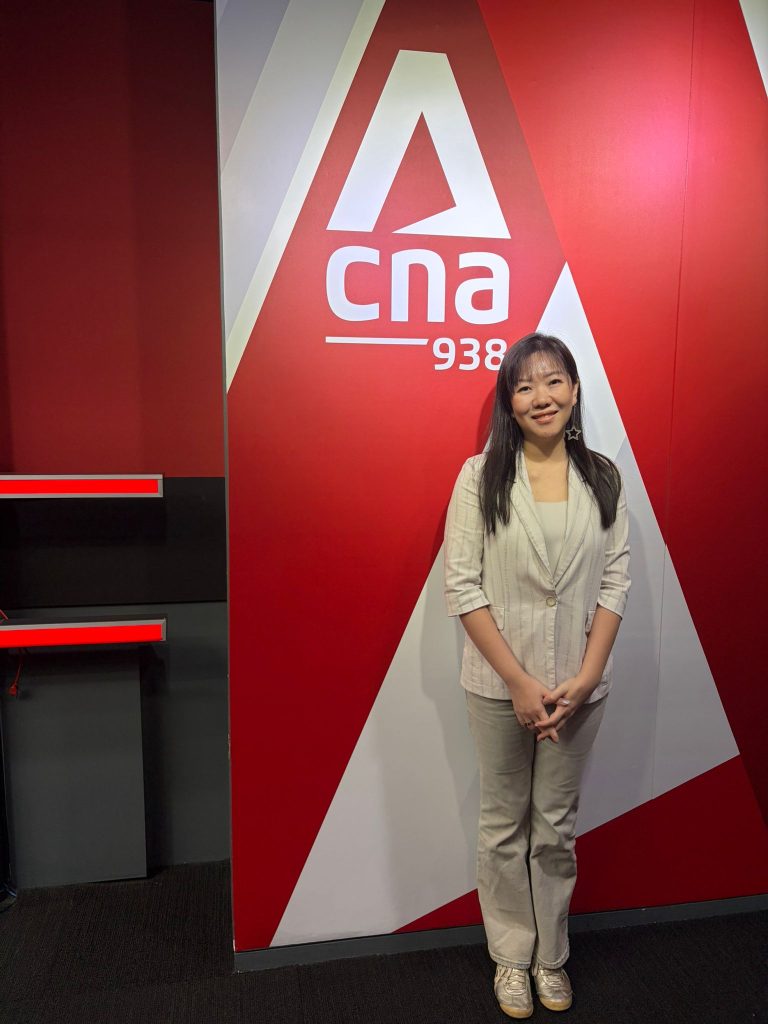
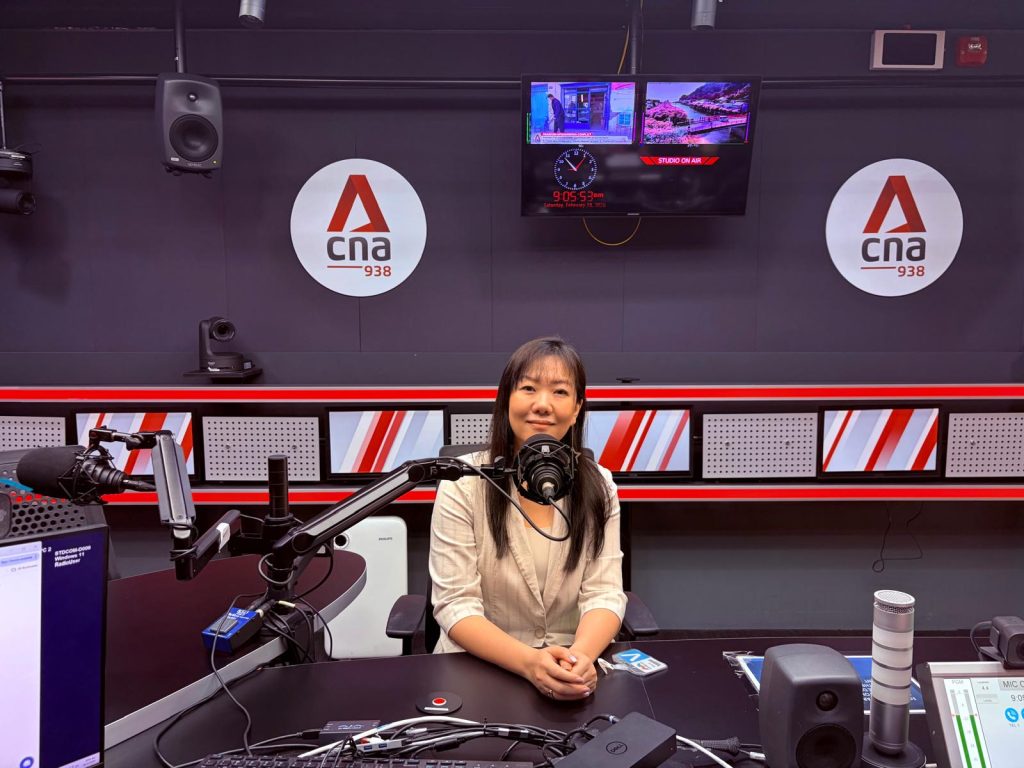
Jolene Ang, Co-founder of BlueTree Education and a former PSLE Chief Presiding Examiner, recently shared her expert take on <CNA’s Your Singapore Weekend>. She notes that this stamina gap is one of the biggest hurdles students face. “School isn’t a 100-meter dash,” Jolene explains. “It’s a marathon. After a long break, many students find themselves out of breath before the first mile is over.”
Here is how you can help your child cure the holiday hangover, regain their academic stamina, and master the PSLE exam techniques needed for the year ahead.
1. Recognize the "PSLE Marathon" Mindset
During the holidays, the “mental muscles” used for sustained focus often go into hibernation. When school resumes, children face a 6-hour daily gauntlet of academics and social navigation.
The Solution: Stop viewing focus as an “on/off” switch. Instead, treat it like physical fitness. You wouldn’t expect a child to run 10km after two months on the couch; similarly, we cannot expect 100% focus on day one. We must rebuild that academic stamina incrementally.
2. The Cure: "Predictable but Flexible" Routines
Anxiety often stems from the unknown. Jolene emphasizes that routines are not about “policing” a child’s time; they are about providing psychological safety.
Predictability
Reduces the “cognitive load.” If a child knows what comes next, their brain saves its energy for learning.
Flexibility
Rigid schedules lead to power struggles. A routine should have “buffer zones” for play and rest.
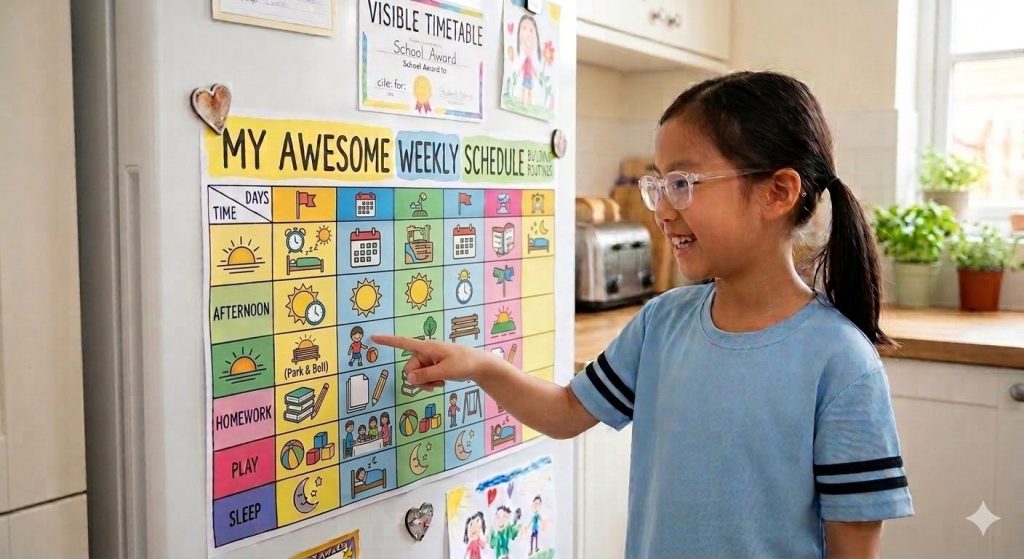
Expert Tip: Use a Visible Timetable on the fridge. This acts as a silent “nudge,” helping the child self-regulate and curing the holiday hangover without constant parental nagging.
3. The Foundations: Sleep and Movement
You cannot build academic stamina on a foundation of exhaustion.
The Sleep Reset
Shift bedtimes earlier by 15 minutes every two nights. Sleep is the primary regulator of mood and memory consolidation.
The Movement Reset
Physical movement increases blood flow to the brain. Encourage 20 minutes of outdoor play before starting homework to “reset” the brain’s ability to focus.
4. Closing the "Technique Gap" to Stop Mark Leakage
Drawing from her years as a PSLE Chief Presiding Examiner, Jolene points out a crucial distinction:
Confidence is not the same as Endurance.
Jolene Ang(BlueTree Founder & Former PSLE Chief Presiding Examiner)
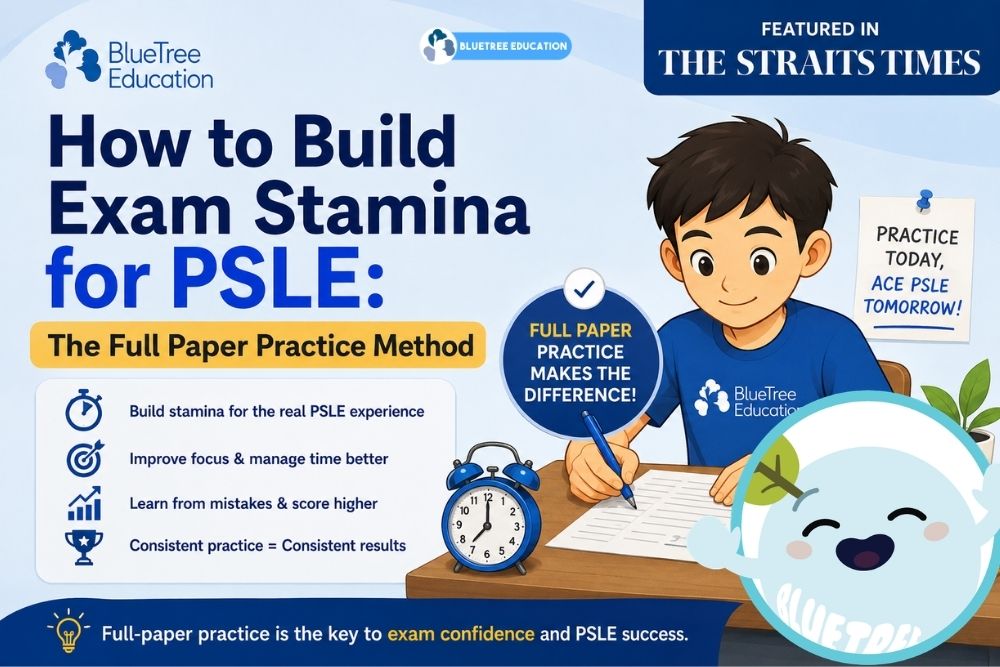
A student might know the concepts, but without the mental stamina to stay precise for the duration of a 2-hour paper, they fall victim to “Half-Mark Leakage”—losing marks due to phrasing errors in the final hour.
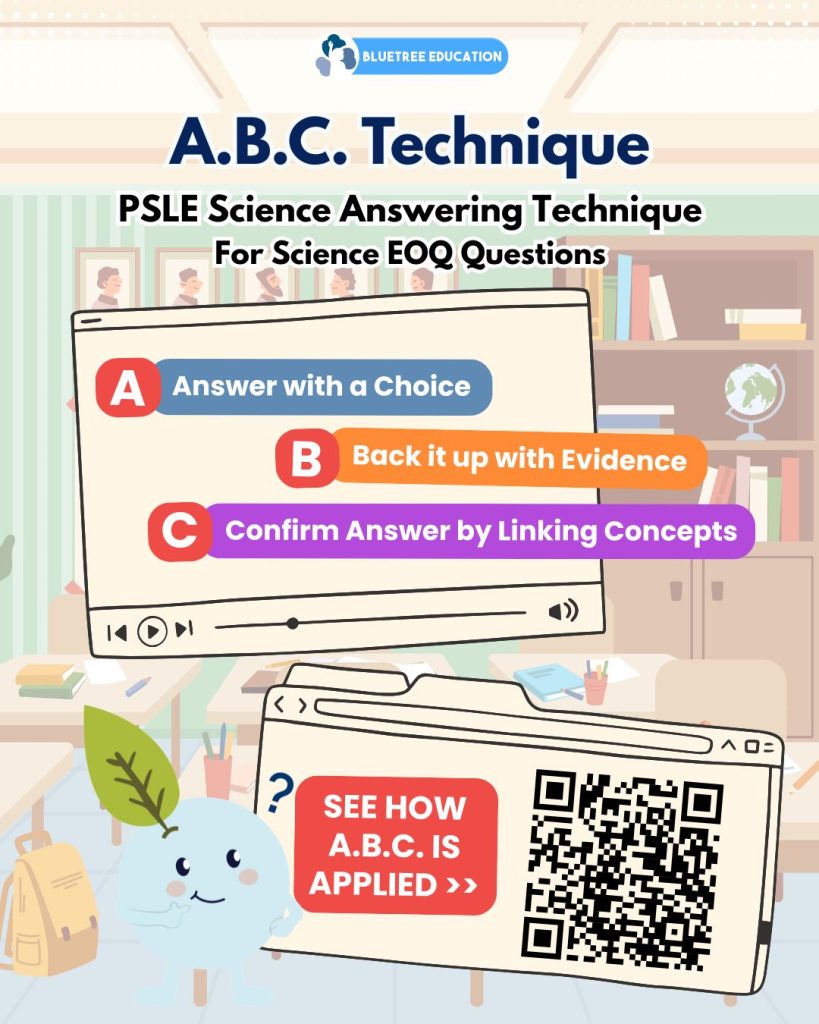
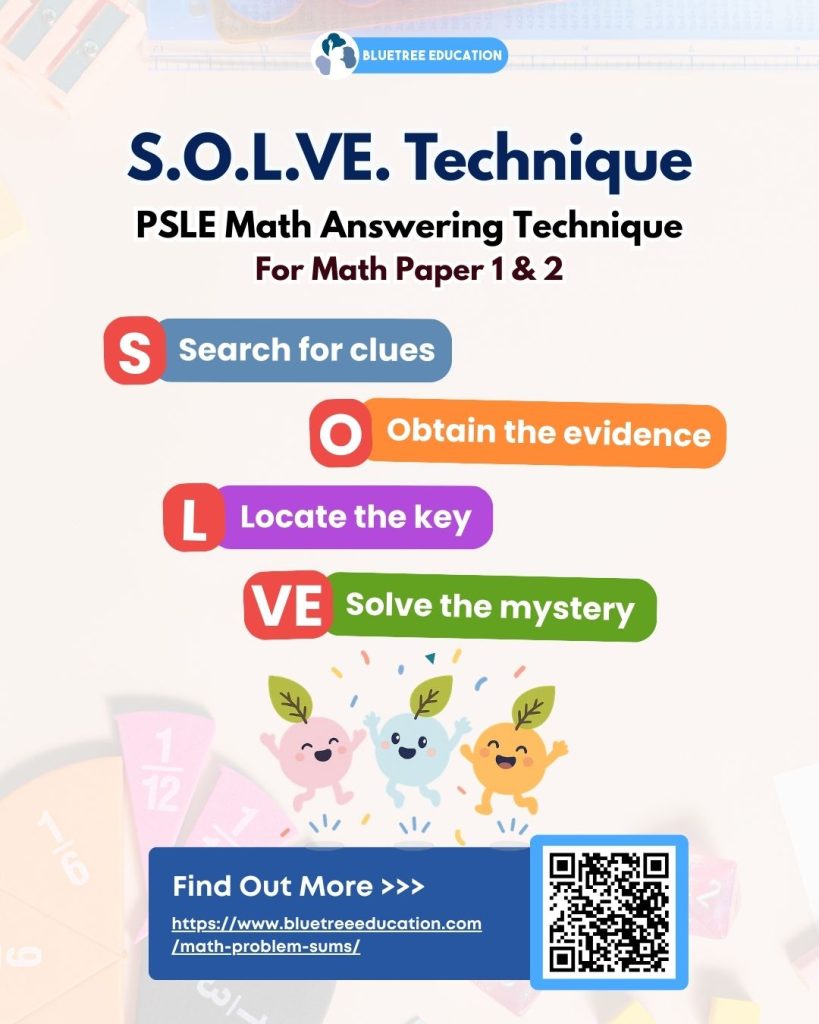
At BlueTree, we bridge this gap with our proprietary PSLE exam techniques which has been used by more than 25,000 students.
Final Advice: Small Start, Start Now
To help your child bounce back from their holiday hangover, Jolene suggests three immediate actions:
Open Communication
Ask your child, "What part of the school routine feels hardest right now?"
Visible Cues
Use that timetable to reinforce daily patterns.
Consistent Habits
Focus on 30 minutes of high-quality work over 3 hours of "distracted sitting."
Build Long-Term Success with BlueTree
Don’t let the holiday hangover turn into a mid-year slump. Our curriculum, designed by ex-MOE specialists and PSLE examiners, goes beyond the syllabus to teach the logic and endurance required for AL1 success.